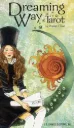
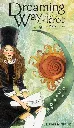
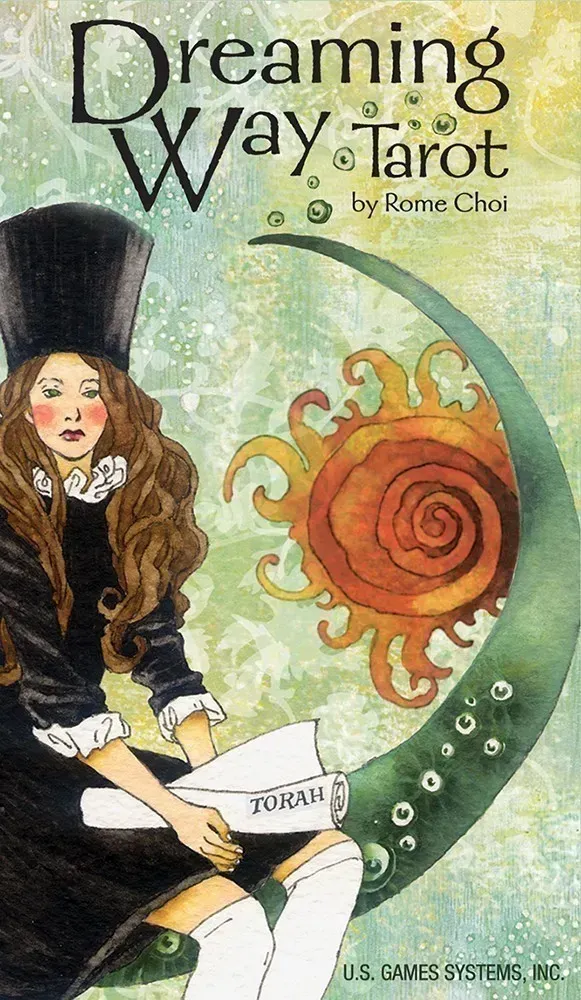
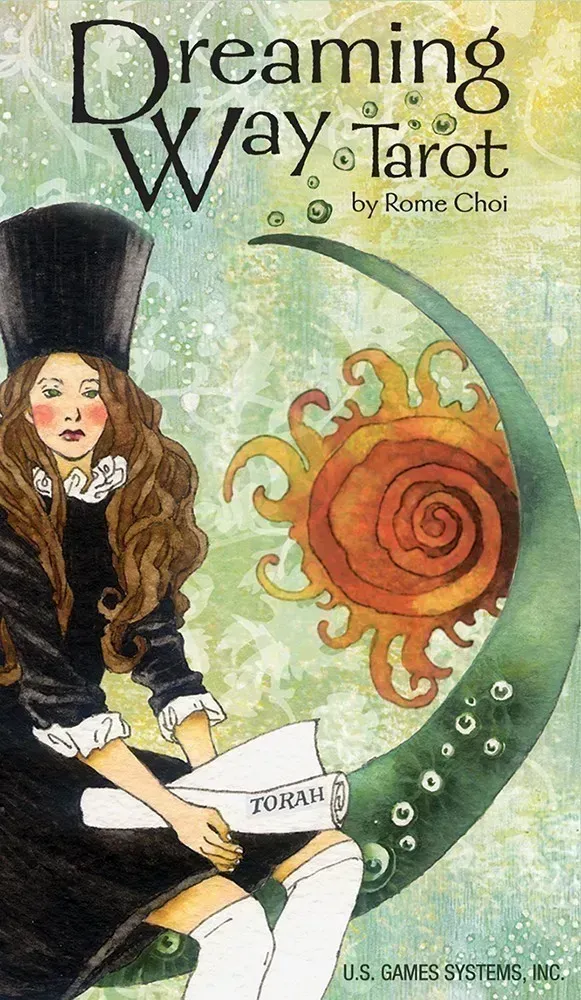
78 full-color cards measuring 2.75" x 4.75", boxed with a companion booklet. Overall package runs roughly 2.9" x 1.3" x 4.9" and weighs about 9 ounces. Named by Aeclectic Tarot's readership as one of the top ten decks published in 2012.
What you get
The complete deck — 22 Major Arcana and 56 Minor across four suits, with Page, Knight, Queen, and King in each — plus the booklet. Choi's text gives card-by-card interpretations and devotes real space to two systems most little white books skip: the elemental character of each suit, and the meaning carried by each number across the pips, with the court cards folded into that numerical logic. That second section is the reason a lot of readers keep this booklet rather than shelving it. Cards are standard tarot size, comfortable in average hands, and the trim is slightly narrower than the deck's most common shelf-mates.
About the artwork
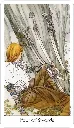
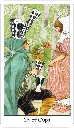
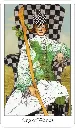
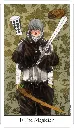
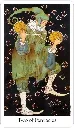
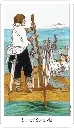
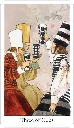
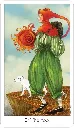
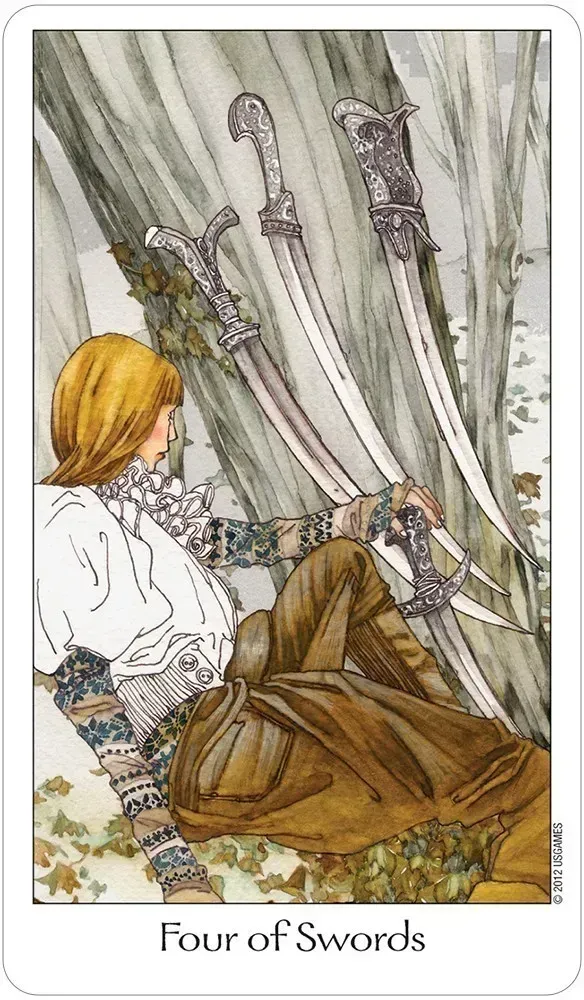
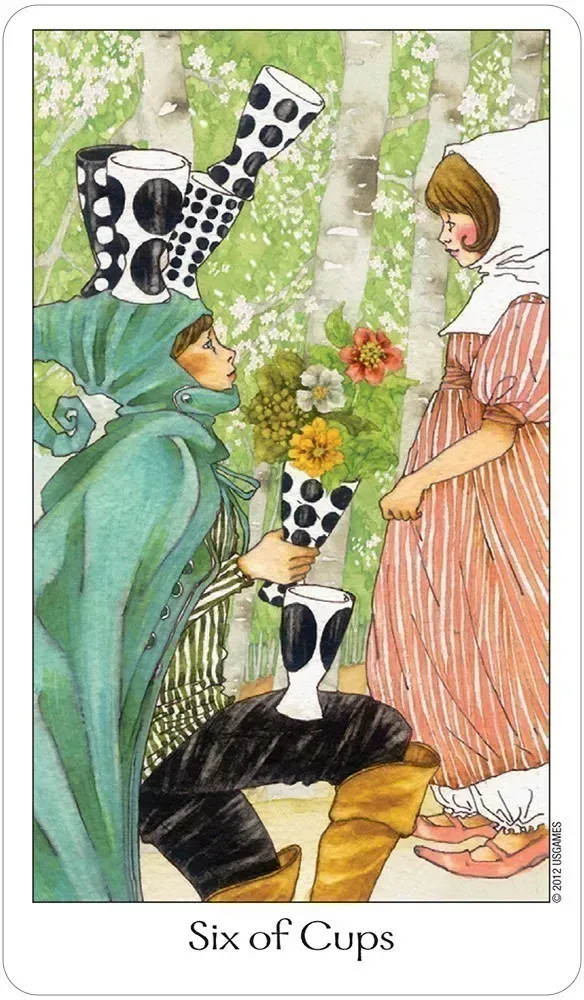
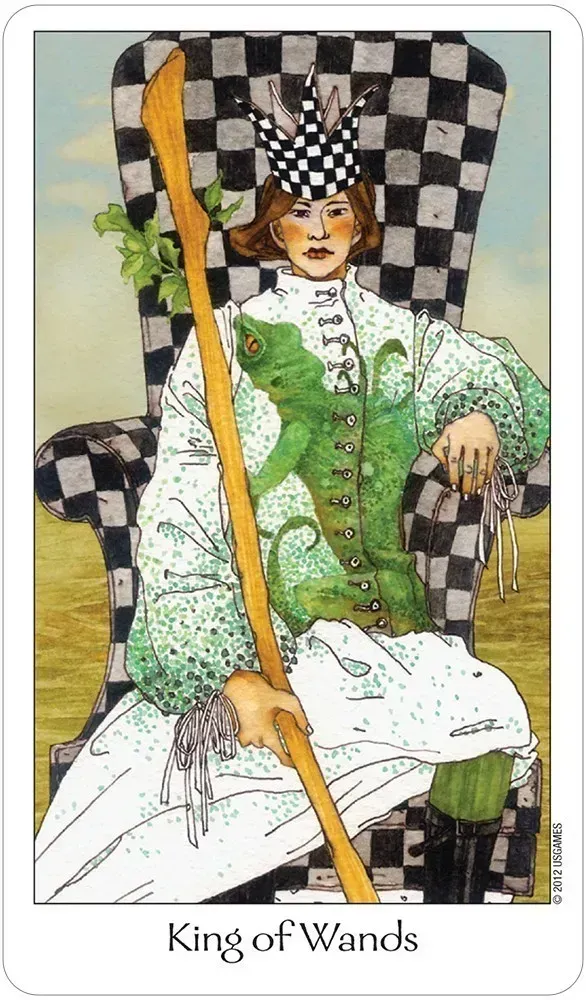
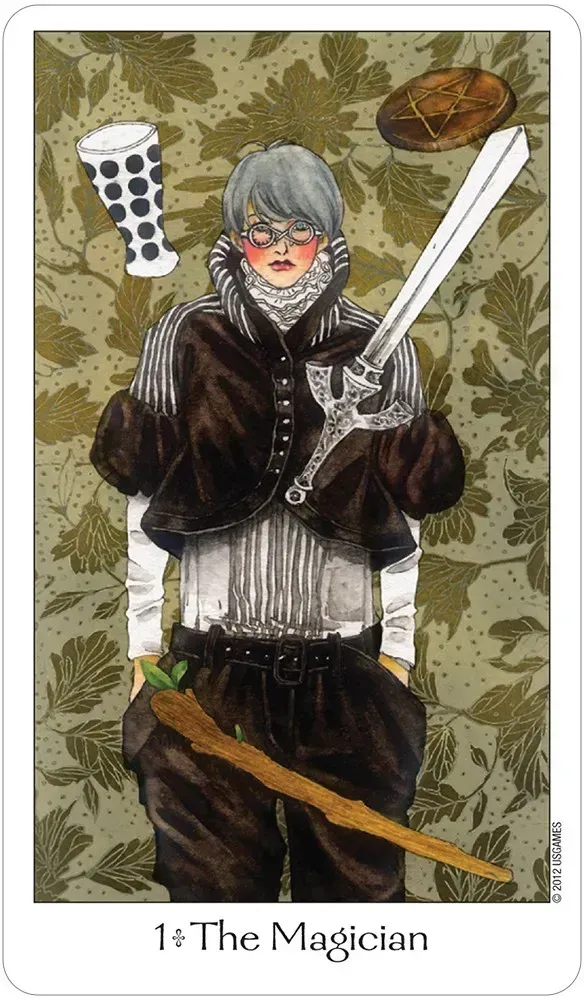
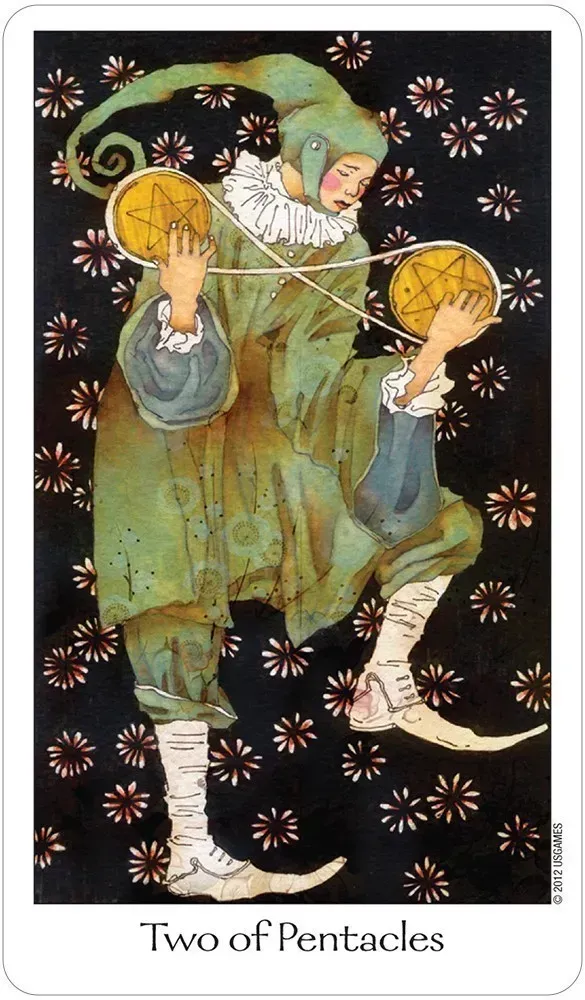
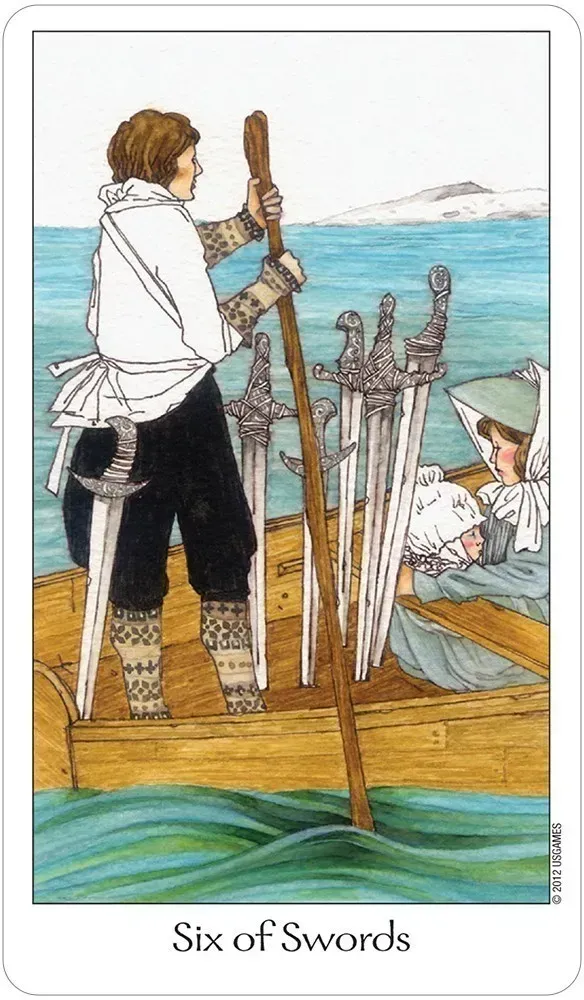
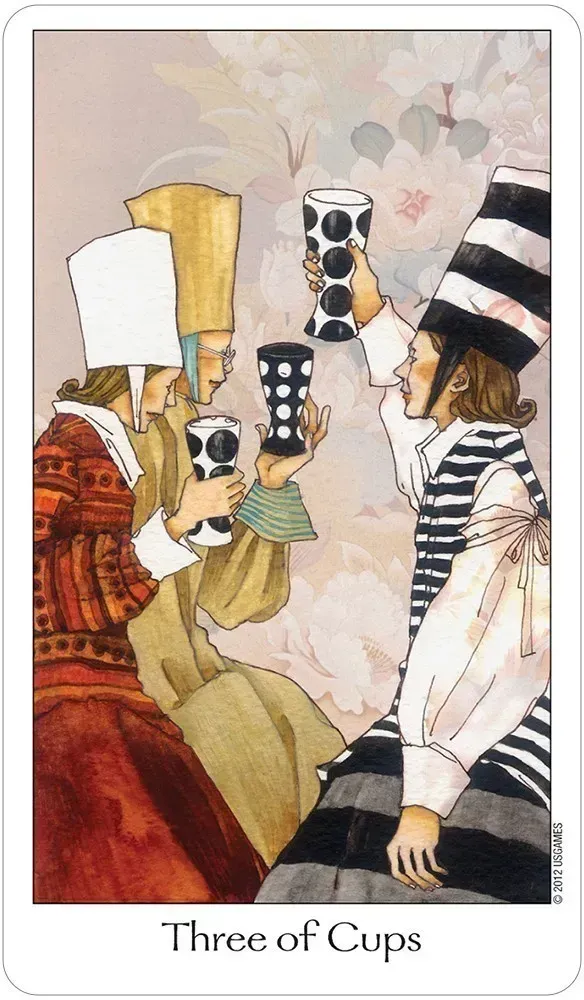
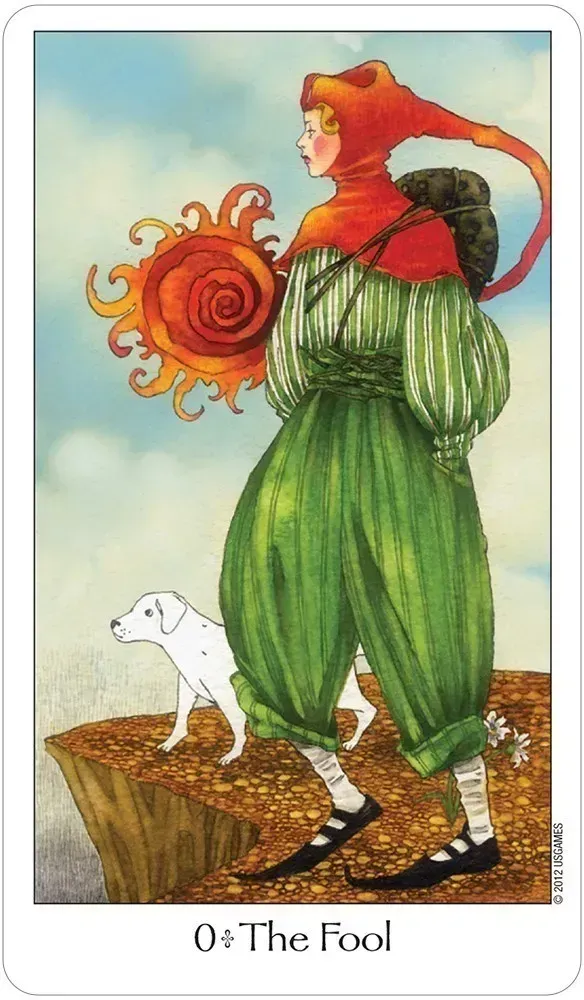
Kwon Shina illustrated the deck. She began her professional career in 1997 and has worked across comics, film posters, calendars, novels, and advertising, and that commercial-illustration background shows: the figures are drawn with the line economy and styling instinct of fashion illustration rather than the dense symbolic layering of occult art. The palette is bright, the compositions uncluttered, and the characters are contemporary — recognizably people you might pass on a street, wearing clothes from this century.
The title deserves an explanation, because it misleads. The cards do not depict dreams and the imagery is not surrealist. Rome Choi named the deck for how it came to him: the tarot's characters appeared to him in a dream, and he built the deck from that. What you get on the table is clear, legible, waking-world illustration. Readers looking for hazy dreamscape imagery should look elsewhere, and readers who bounced off dark decks should look here.
Provenance & tradition
Modeled closely on the Rider-Waite-Smith system. Twenty-two Majors in standard sequence, four suits, sixteen court cards, and Minor Arcana that keep Pamela Colman Smith's narrative scene structure card for card. Anything you learn from a standard tarot book applies directly to this deck without translation, which makes it one of the more genuinely teachable RWS-derived decks in print.
Rome Choi has read and taught tarot professionally since 1997. The deck is Korean in origin — Choi and Kwon Shina both worked in Korea — and U.S. Games published the English edition in 2012. That matters less to the reading than it might sound: the deck's structure is the Anglo-American RWS system, not a Korean divinatory tradition. What the Korean production brings is the visual idiom, a manhwa-adjacent illustration sensibility applied to Western tarot architecture.
A companion Lenormand deck, Dreaming Way Lenormand, uses the same artwork style but is an entirely different divination system with different cards and different rules.
Who this is for
A strong first deck. The RWS fidelity means every beginner book applies, the imagery is legible at a glance, and nothing on any card is frightening. Good for readers who want to read publicly — at a market table, a party, or a client session where a dark deck would put people on edge. Good for readers working with numerology, given how the booklet is organized. Good gift for a teenager or a nervous beginner. Also a reasonable everyday deck for experienced readers who want something light to balance a heavier one.