Now available in a 5g sample size
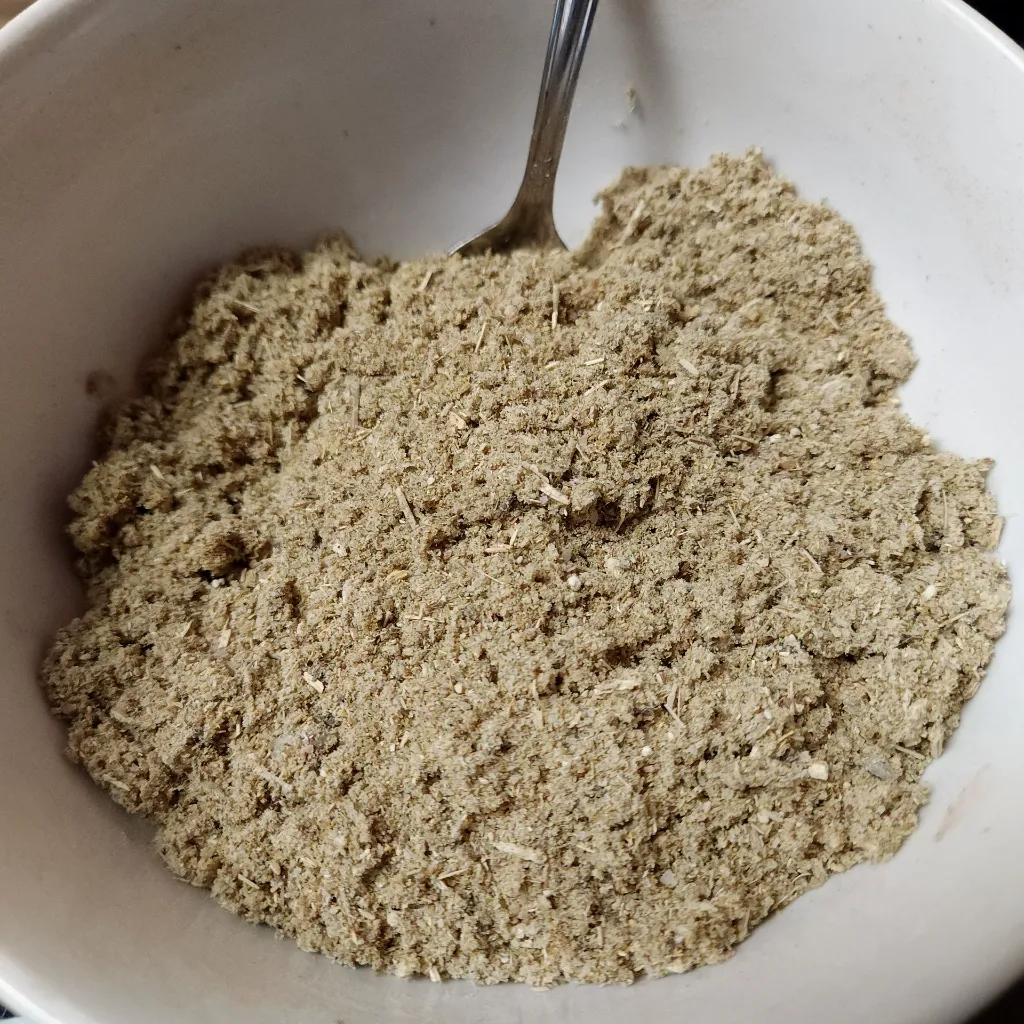
Frankincense makes up most of this blend, the old priestly resin, heady and rich, and it throws a generous column of fragrant smoke. Every herb worked into it was chosen for Odin. Mugwort, fennel and chamomile all trace back to the plants named in the Old English Nine Herbs Charm, the charm in which Woden takes up nine glory-twigs and strikes the serpent into nine pieces.
What you get
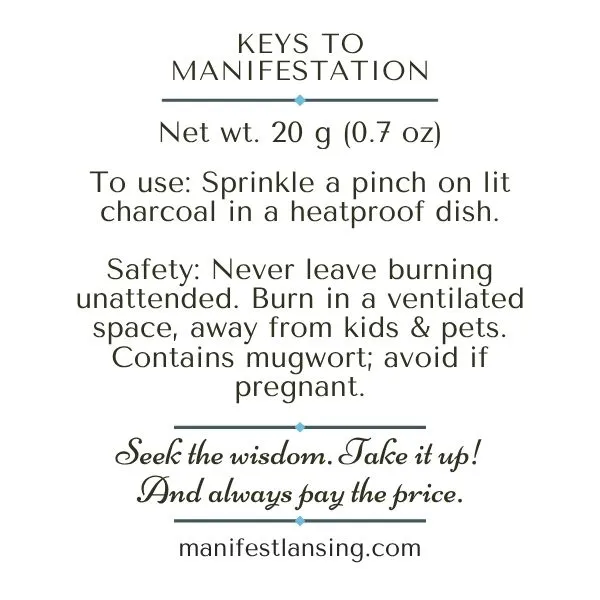
- 5 g of loose incense, blended by hand at Keys to Manifestation in Lansing, Michigan
- Ingredients: frankincense, mugwort, fennel, chamomile
- Made for burning on charcoal. You’ll need a charcoal disc and a heatproof dish, which are sold separately.
- Contains mugwort, so avoid it during pregnancy.
Correspondences
Frankincense is the golden resin of the Boswellia tree, gathered by cutting the bark and letting the sap dry into small gravel. It belongs to the Sun, Fire and Spirit. It’s burned for protection, purification and consecration, and to open the way for visions and meditation.
Mugwort goes by the folk names Old Man and Sailor’s Tobacco. It’s an herb of psychic power, prophetic dreams, protection and strength, burned during scrying. Old lore says to tuck it in your shoes for strength on a long walk, which suits a god who wanders Midgard in disguise.
Fennel is ruled by Mercury and Fire. It carries protection, healing and purification, and it was traditionally hung at doors and windows against hostile spirits.
Chamomile holds the Sun and Water. It brings purification and protection, and it’s long been a staple of meditation incense. One of its folk names, maythen, sits right next to the Old English word used in the Nine Herbs charm.
Provenance & tradition
The Nine Herbs Charm survives in the Lacnunga, an Anglo-Saxon book of remedies and charms held at the British Library (Harley MS 585), copied around the turn of the eleventh century. It’s one of the very few places Woden is named in Old English healing lore. The charm’s mægðe is usually translated as chamomile or mayweed. Scholars still argue over which plant was meant, so chamomile stands in here as its closest everyday relative.
Ansuz is the rune of Odin and of the spoken word. The line, "Seek the wisdom. Take it up! And always pay the price." comes from the Hávamál. There Odin hangs nine nights on the windswept tree, wounded by a spear and given “myself to myself,” until he takes up the runes and falls. Wisdom in his stories never comes free. The eye goes into Mimir’s well, and the god goes onto the tree.
Working with it
Light a charcoal disc in a heatproof dish, let it ash over, and sprinkle on a pinch. Burn it as an offering at an Odin shrine or Heathen altar. It also works before rune casting or study, during scrying and other visionary work, or any time you’re asking the Wanderer for counsel. Use it in a ventilated space, never leave it burning unattended, and keep it away from kids and pets. It’s for burning only. Don’t eat it.